
Corneal Abrasions
Specialists in North Texas
Finding out that your child has suffered a corneal abrasion can be alarming as a parent. It’s natural to feel uncertain about how this eye injury might affect their vision, comfort, and what it means for their recovery, daily activities, and future.
Expert Pediatric Corneal Abrasion Care for North Texas
At Pediatric Eye Specialists, we understand how unsettling it can be to learn that your child has a corneal abrasion. You want answers, and you want to know they’re in the best hands. Our team offers expert pediatric care and the experience to accurately diagnose the injury, relieve your child’s pain, and protect their long-term eye health. We’re here to guide you through what this diagnosis means for their healing, how it may affect their vision and day-to-day activities, and what the best treatment options are. From diagnosis to full recovery, we provide the specialized care and support your child needs to see their brightest future.
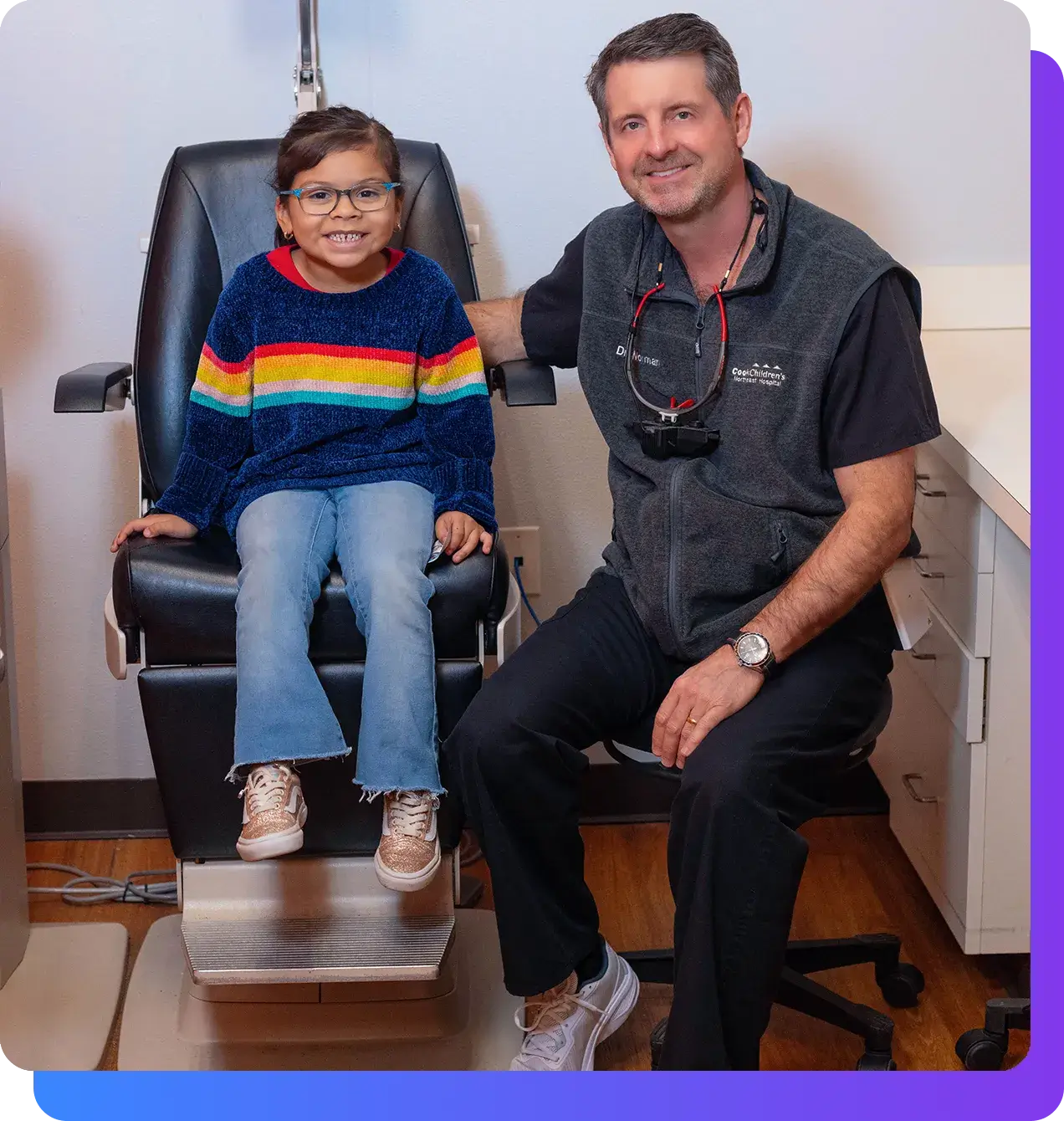
The Basics: What is a Pediatric Corneal Abrasion?
A pediatric corneal abrasion is a scratch or scrape on the cornea, the clear, dome-shaped surface at the front of the eye. At Pediatric Eye Specialists, we see these injuries frequently in children of all ages, as the cornea is highly sensitive and can be scratched by everyday objects and activities. Common causes include a fingernail or toy scratching the eye during play, a foreign body such as sand or dirt getting trapped under the eyelid, or improper contact lens use in older children and adolescents. Even a small abrasion can cause significant pain, tearing, and sensitivity to light, since the cornea contains a dense network of nerve endings.
At Pediatric Eye Specialists, we know this kind of injury can be frightening for both children and parents, but corneal abrasions are one of the most common pediatric eye injuries and, when treated promptly and correctly, typically heal well. After a thorough eye examination to assess the depth and location of the scratch, we develop a personalized treatment plan that may include antibiotic eye drops to prevent infection, pain management, and guidance on activity restrictions during healing. We also provide follow-up care to ensure the cornea recovers fully and your child’s vision is protected.
Why Choose the Pediatric Eye Specialists for Your Child's Corneal Abrasion Care
The Most Experienced Team in North Texas
With over sixty-five years of collective pediatric ophthalmology expertise, we offer your child unparalleled collaborative care.
Four Convenient Locations
Easily accessible care with offices in Fort Worth, Keller, Mansfield, and Prosper,
Unrushed, Clear Communication
We take the time to discuss your child's diagnosis and treatment, ensuring all your questions are answered to ease your concerns.
Affiliated with Cook Children’s Hospital
Our partnership with Cook Children’s Hospital means if your child needs surgery, imaging, or other specialists, they will be treated in one of the nation’s leading pediatric hospitals.
Specialized Expertise
Our expertise means that more optometrists, doctors, and specialists refer their pediatric eye patients to Pediatric Eye Specialists than any other pediatric eye practice in North Texas.
Child and Family Focused
Kids love us, and we love kids! We provide a caring environment for your child and your family.
Advanced Diagnostic Technology
We have the most comprehensive pediatric diagnostic suite in North Texas, allowing for precise diagnosis and highly personalized treatment plans.
Every Child Needs Access to Expert Eye Care
Championing the right to sight, we help navigate insurance, cash pay, and Medicaid options to make superior eye care feasible for all children regardless of their socioeconomic status.
The Benefits of Prompt Pediatric Corneal Abrasion Treatment
Treating a corneal abrasion quickly and correctly can relieve your child’s pain, prevent serious complications, and support healthy healing. Early care protects the cornea from infection and long-term damage, reduces discomfort, and helps your child return to normal activities as soon as possible.
Success You Can Expect for Your Child
Rapid Relief from Pain and Discomfort
A corneal abrasion can be extremely painful. Prompt treatment with appropriate eye drops and pain management measures helps reduce your child's discomfort quickly, allowing them to rest and begin the healing process in a more comfortable state.
Prevention of Infection
An untreated or improperly managed corneal abrasion is vulnerable to bacterial infection, which can lead to a corneal ulcer and more serious, lasting damage. Antibiotic eye drops prescribed after diagnosis significantly reduce this risk and protect your child's eye health.
Protection of the Cornea from Lasting Damage
Shallow corneal abrasions typically heal cleanly with proper care. Early treatment helps prevent the development of corneal scarring, which can interfere with visual acuity and require more complex intervention later in your child's life.
Faster Healing and Return to Normal Activities
With the right treatment plan in place, most corneal abrasions in children heal within one to three days. Guided care from our team shortens recovery time and helps your child return to school, play, and other activities with confidence.
Preservation of Vision and Visual Development
Left untreated, a significant corneal abrasion can result in scarring or irregular healing that affects your child's visual perception. Timely, expert care preserves clear vision and ensures the eye continues to develop normally as your child grows.
Lower Risk of Complications Requiring Further Treatment
Addressing a corneal abrasion promptly reduces the likelihood of complications that could require more intensive ophthalmology intervention. Early and appropriate care is always the safest path to a full recovery.
Real Stories,
Real Smiles.
“They were very good with my nonverbal toddler. It was the best doctor visit experience we have had yet. They were awesome, caring, and quick!.”

Amy Glover
Parent of Patient
“Today, Dr. Packwood saved my youngest from a life of blindness and worked a miracle for my family. I cannot express enough gratitude and thanks for their skillful surgery and expertise. 10 of 10 highly recommend.”

Atticus Lee
Parent of Patient
“The staff here is so amazing with my son. We had such a wonderful experience both at the office and for his surgery! I highly recommend Pediatric Eye Specialists!!!!“

Gianna Stutzman
Parent of Patient
“We are so grateful for the genuine care that Dr. Duff provided for our son Lorenzo, which prevented him from going blind! She is truly a gift to the community.“

JS Cocjin
Parent of Patient
“Professional, compassionate, kind and friendly. They took great care of my preemie baby from Day 1 of ROP. Very happy with how my daughter is progressing and has healthy eyes now.”

Suresh K.C.
Parent of Patient
“We’ve seen Dr. Hunt for the past 6 years since my daughter was 9 days old. We have multiple appointments each year and even eye surgery when she was 1. Our experience here has been fantastic every time and we highly recommend this group!.”

Mandy Edmondson
Parent of Patient
“Dr. Norman has always been very attentive and thorough with my daughter, who has Type 1 Diabetes. The staff are warm and always do their best to be accommodating. I highly recommend Dr. Norman.”

Tricia Moon
Parent of Patient
“Absolutely recommend! All around great experience! They made my son feel comfortable during the visit. Treatment was explained, and I walked out with no questions. I loved it. “

Cynthia Valero
Parent of Patient
“Great staff, great doctors; they know how to help ease kids’ fears and provide excellent service. Had to get my little one in same day for an eye injury, and they found a way to make it happen. Would 100% recommend.“

Kris K
Parent of Patient
Start your child’s journey to better vision today.
Embrace a future of clearer vision and confidence for your child. Contact us now to book your consultation at any of our convenient locations across the Metroplex.
Click to Explore Corneal Abrasions
Causes of Pediatric Corneal Abrasions
Corneal abrasions in children can result from a wide range of everyday activities and accidents. At Pediatric Eye Specialists, we commonly see these injuries occur during play, sports, and other routine activities where the eye is exposed to potential contact or debris. Understanding the most frequent causes can help parents take steps to protect their child’s eyes and recognize when an injury may have occurred.
One of the most common causes is direct contact from a fingernail, whether a child’s own or another child’s, during play or while rubbing the eye. Foreign body contact is another frequent culprit, including sand, dirt, dust, or small particles that get into the eye and scratch the corneal surface, particularly when trapped under the eyelid. Sports-related injuries, including contact from fingers, elbows, or equipment, are also a leading cause of corneal abrasion in school-age children.
In older children and adolescents, improper contact lens wear, including sleeping in lenses, wearing them for too long, or inserting them with unclean hands, is a significant risk factor. Tree branches, grass, and other plant material encountered during outdoor activities can also scratch the eye surface. Even seemingly minor causes, such as rubbing the eye vigorously or getting hit with a piece of paper or a toy, can result in a corneal abrasion. Regardless of the cause, any suspected eye injury in a child warrants prompt evaluation at Pediatric Eye Specialists to rule out deeper damage and begin appropriate care.
Understanding these causes is vital for Pediatric Eye Specialists in diagnosing and formulating an effective treatment plan for Pediatric Corneal Abrasions.
Signs and Symptoms of a Pediatric Corneal Abrasion
Recognizing the signs and symptoms of a corneal abrasion in a child is important for seeking timely care and preventing complications. Because the cornea is richly supplied with nerve endings, even a small abrasion can cause significant discomfort. Symptoms may appear immediately after an injury or develop over the following minutes to hours.
Eye Pain
Pain is typically the most immediate and noticeable symptom of a corneal abrasion. Children may describe a sharp, burning, or stinging sensation in the affected eye, and the pain often intensifies with blinking or eye movement.
Sensation of Something in the Eye
Children frequently report the feeling that something is stuck in the eye even when no foreign body is present. This gritty or scratchy sensation is caused by the nerve endings on the damaged corneal surface responding to each blink.
Excessive Tearing
The eye produces a significant increase in tears in response to the injury. This is a natural protective mechanism and may be one of the first things parents notice in a young child who cannot yet describe their discomfort.
Red Eye
Irritation and inflammation from the abrasion cause the eye to become visibly red or bloodshot. Red eye in the context of a recent injury or reported pain should always prompt evaluation by a pediatric eye care specialist.
Sensitivity to Light
Children with a corneal abrasion often become sensitive to light, squinting or closing their eyes in response to normal indoor or outdoor lighting. This photophobia is a common result of corneal nerve irritation.
Difficulty Keeping the Eye Open
Pain and light sensitivity may cause a child to keep the affected eye closed or to blink rapidly and involuntarily. This reflexive blinking can make it difficult to examine the eye without the use of numbing drops.
Blurred Vision or Changes in Visual Perception
Depending on the size and location of the abrasion, your child may notice blurred or hazy vision in the affected eye. Any change in visual perception following an eye injury should be evaluated promptly to rule out more serious damage.
Headache
Some children with corneal abrasions develop a headache, often as a result of squinting, light sensitivity, and the overall stress placed on the eye and surrounding muscles. This is a secondary symptom and typically resolves as the abrasion heals.
If your child is showing any of these symptoms, particularly after a known or suspected eye injury, Pediatric Eye Specialists recommends prompt evaluation. Early diagnosis and treatment are essential to a safe and complete recovery.
Still Have Questions?
Corneal abrasions can cause sudden, painful symptoms that require prompt attention to prevent complications and support healthy healing. A thorough evaluation by a pediatric ophthalmologist at Pediatric Eye Specialists can confirm the medical diagnosis, assess the extent of the injury, and guide the most appropriate course of treatment. Early and accurate diagnosis is the key to protecting your child’s vision and getting them back to feeling their best.
Diagnosing a Pediatric Corneal Abrasion
Diagnosing a pediatric corneal abrasion begins with a detailed review of the child’s history and the circumstances of the injury. At Pediatric Eye Specialists, we ask about how and when the injury occurred, what the child was doing at the time, whether a foreign body was involved, and what symptoms have developed since. We also ask about the child’s contact lens use, as lens-related abrasions may require a different management approach.
The cornerstone of the eye examination for a suspected corneal abrasion is the fluorescein dye test. A small amount of fluorescein, a yellow-orange dye, is applied to the surface of the eye. Under blue light, the dye will stain any disrupted areas of the corneal epithelium, making even very small abrasions clearly visible. This allows our team to accurately map the size, depth, and location of the injury. We also use magnification tools to inspect the eyelid, including flipping the upper eyelid to check for a hidden foreign body that could be causing ongoing damage with every blink.
Visual acuity testing is performed to establish a baseline and to determine whether the abrasion is affecting the child’s vision. Pupil response and overall eye health are also assessed during the eye examination to rule out any deeper injury to the structures of the eye. When the mechanism of injury raises concern about a penetrating wound, additional imaging may be ordered. This thorough, systematic approach to ophthalmology evaluation ensures an accurate diagnosis and a safe, personalized treatment plan for every patient.
Pediatric Corneal Abrasion Treatment
Treatment for a pediatric corneal abrasion is focused on relieving pain, preventing infection, and supporting the natural healing process of the cornea. At Pediatric Eye Specialists, we tailor every treatment plan to the individual patient, taking into account the child’s age, the size and depth of the abrasion, the cause of the injury, and whether a contact lens was involved.
For most corneal abrasions, antibiotic eye drops or ointment are prescribed as the primary topical medication to reduce the risk of bacterial infection during the healing period. Pain management is an important part of early care; we may recommend lubricating eye drops, preservative-free artificial tears, and age-appropriate oral pain relievers to keep your child comfortable. In some cases, a short course of topical medication to reduce inflammation may be appropriate. Rinsing the eye with saline is sometimes used to flush out any remaining debris and help soothe the ocular surface at the time of the initial evaluation.
For larger abrasions or in cases where a contact lens was the cause of the injury, we may recommend a bandage soft contact lens to protect the corneal surface and reduce pain during healing. The use of an eyepatch is less common in current pediatric practice but may occasionally be considered depending on the nature of the abrasion. We provide detailed follow-up instructions and typically schedule a return visit within one to two days to confirm that healing is progressing as expected. Children are advised to avoid rubbing the eye, to stay home from contact sports, and to refrain from lens wear until the cornea has fully healed.
Our commitment at Pediatric Eye Specialists is to provide your child with the highest standard of care, combining medical expertise with compassion and understanding.
Typical Expected Outcomes for Pediatric Corneal Abrasions
The typical expected outcomes for pediatric corneal abrasions are excellent when the injury is diagnosed promptly and treated appropriately. The cornea has a remarkable capacity for healing, and most superficial abrasions in children resolve within one to three days with proper care. Antibiotic eye drops help prevent infection, and the corneal epithelium regenerates quickly, often leaving no trace of the original injury. Visual acuity typically returns to its baseline level as the cornea heals, and most children experience no lasting effects on their vision or eye health.
Outcomes are less favorable when treatment is delayed, when the abrasion becomes infected, or when the injury is deeper than initially appreciated. In these cases, corneal scarring can result, which may affect visual perception and require further management. At Pediatric Eye Specialists, our focus on thorough diagnosis, prompt treatment, and close follow-up gives every child the best possible chance of a full and uncomplicated recovery, protecting both their eye health and their long-term visual development.
Secure a Brighter Future: Schedule Your Child's Pediatric Corneal Abrasion Consultation Today
Don’t let a pediatric corneal abrasion affect your child’s bright future. Schedule an appointment with Pediatric Eye Specialists to provide your child with the expert care and treatment they need. Take the first step toward protecting their vision and unlocking a lifetime of possibilities. Contact us today.
Start your child’s journey to better vision today.
Embrace a future of clearer vision and confidence for your child. Contact us now to book your consultation at any of our convenient locations across the Metroplex.
How do I know if my child has a corneal abrasion?
If your child is complaining of eye pain, excessive tearing, sensitivity to light, or the feeling that something is stuck in the eye after a known or suspected eye injury, a corneal abrasion may be the cause. At Pediatric Eye Specialists, we conduct a thorough eye examination using fluorescein dye to confirm the diagnosis and assess the extent of the damage.
Can a corneal abrasion heal on its own without treatment?
Very minor corneal abrasions may heal on their own, but treatment is still strongly recommended. Without antibiotic eye drops, the cornea is vulnerable to bacterial infection during the healing period. Pediatric Eye Specialists advises prompt evaluation for any suspected corneal abrasion to prevent complications and support the fastest, safest recovery.
How long does it take for a corneal abrasion to heal in a child?
Most superficial corneal abrasions in children heal within one to three days when managed appropriately. Larger or deeper abrasions may take longer. At Pediatric Eye Specialists, we schedule follow-up visits to monitor the healing process and confirm that visual acuity has returned to normal before clearing your child for all activities.
Is a corneal abrasion painful for children?
Yes, corneal abrasions can be quite painful because the cornea has a high density of nerve endings. Pain management is an important part of treatment, and our team will recommend safe and appropriate measures to keep your child as comfortable as possible during the healing period.
What topical medication is used to treat a corneal abrasion?
The most common topical medication prescribed for a corneal abrasion is an antibiotic eye drop or ointment to prevent infection. Depending on the severity of the injury, lubricating drops or a short course of anti-inflammatory medication may also be recommended. Pediatric Eye Specialists will tailor the medication plan to your child’s specific needs.
Should my child wear an eyepatch after a corneal abrasion?
Eyepatch use for corneal abrasions has become less common in pediatric ophthalmology, as research has not consistently shown it to improve healing or reduce pain. In most cases, Pediatric Eye Specialists will recommend antibiotic drops and follow-up care rather than patching, though individual circumstances may sometimes call for a different approach.
Can a contact lens cause a corneal abrasion?
Yes. Improper contact lens use is a well-recognized cause of corneal abrasion in adolescents, including wearing a lens too long, sleeping in lenses, or handling them with unclean hands. Pediatric Eye Specialists advises patients who wear a contact lens to follow proper hygiene and wear schedules carefully and to seek prompt evaluation if any eye pain or redness develops.
What should I do immediately if my child scratches their eye?
Avoid rubbing the eye, and do not attempt to remove any object that appears to be embedded in the cornea. You may gently rinse the eye with clean water or saline if there is debris present. Contact Pediatric Eye Specialists or seek urgent eye care promptly, as early evaluation and treatment are key to preventing infection and promoting healthy healing.
Can a corneal abrasion cause permanent vision loss?
Most corneal abrasions heal without lasting effects on vision. However, if an abrasion becomes infected or results in significant corneal scarring, it can affect visual perception and may require further treatment. Pediatric Eye Specialists stresses prompt diagnosis and consistent follow-up to minimize the risk of any long-term impact on your child’s vision.
Should my child see a general health care provider or a pediatric ophthalmologist for a corneal abrasion?
While general health care providers can manage straightforward cases, Pediatric Eye Specialists recommends evaluation by a pediatric ophthalmologist for any corneal abrasion involving a contact lens, a suspected embedded foreign body, significant pain, or changes in visual acuity. Our specialized team has the diagnostic tools and expertise to assess the full extent of the injury and design the safest, most effective treatment plan for your child.